Strengthening Indigenous Public Health: Tribal Disease Investigation Workforce Development | May 19, 2026
Date of Presentation: May 19, 2026
Type: Past Presentation
Audience: Clinical
Program: General Session
Keywords: #disease investigation #sits #syphilis #tdi #workforce development
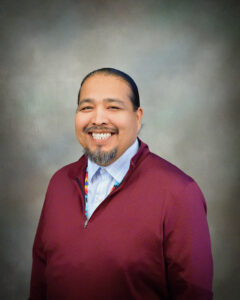
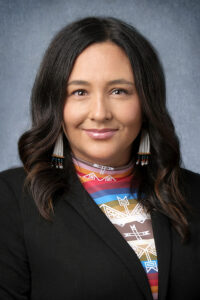
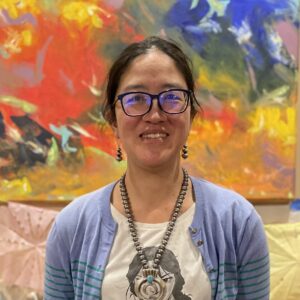
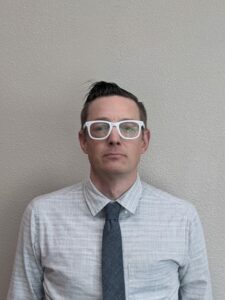
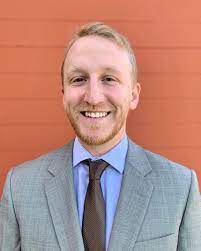
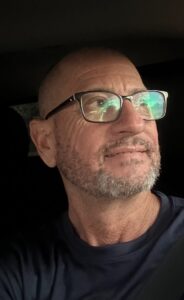
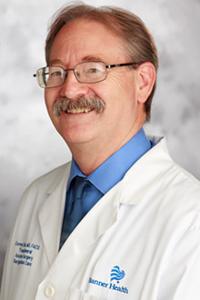
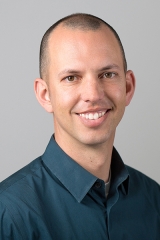
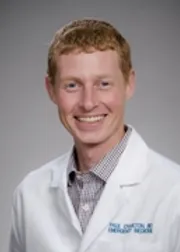
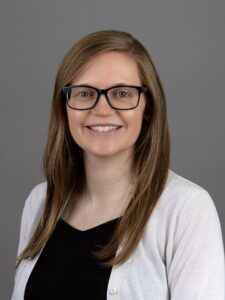
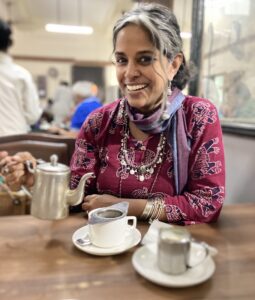
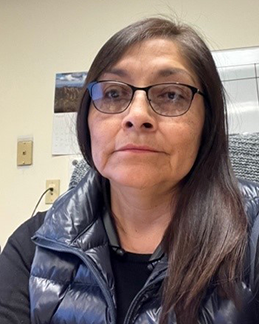
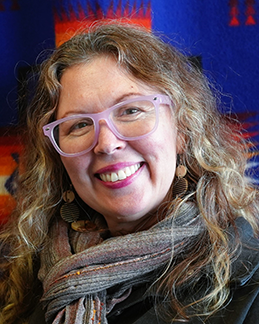
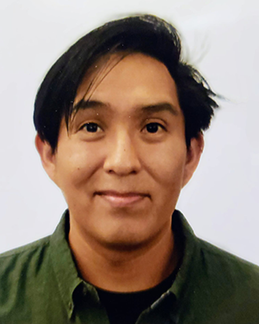
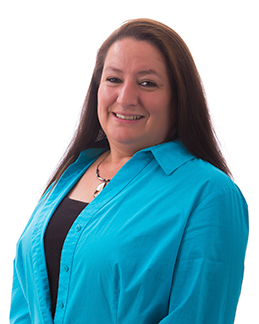
In this presentation, Ashley Hoover, MPH, Jerico Cummings, BS and Itai Jeffries, PhD, describe the purpose and goals of disease investigation services (DIS) and Tribal disease investigation (TDI). Then, they explain how DI activities are implemented within state, local, and Tribal health settings and describe the importance of culturally relevant DI workforce development and training opportunities for Tribal health settings.
To join, simply click here at the time of the General Session (May 19th at 12pm PT): https://echo.zoom.us/j/99475693462?pwd=NGlaMjBrNHZkclBOSXRySHNHMzB4Zz09
Presented by:

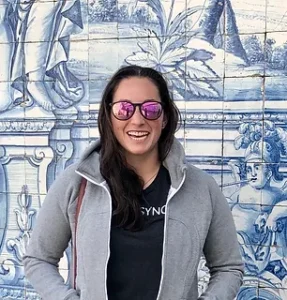
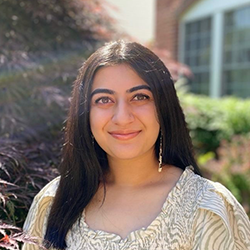
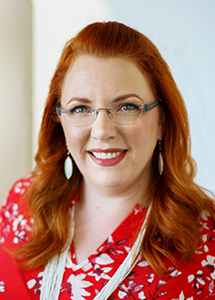
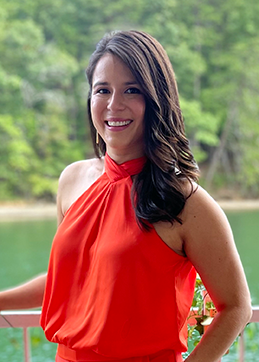
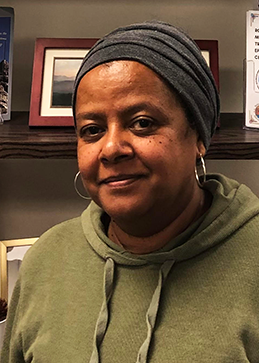
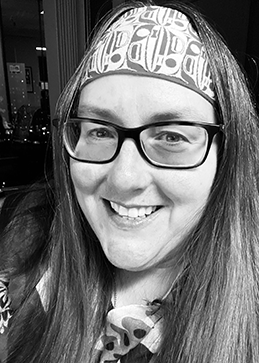
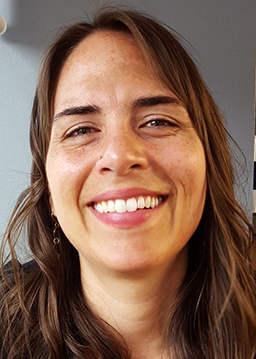
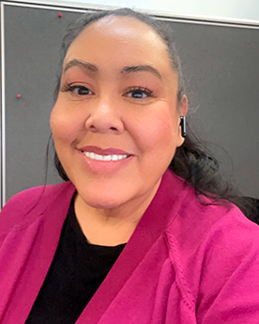
Ashley Hoover
MPH
Ashley Hoover (she/her) was born and raised in the Florida Keys. Her roots are established from settlers from various backgrounds: her mother’s family is Spanish, Cuban, and of British/Irish descent; her father’s family are Pennsylvania Dutch and Eastern European Jewish descent. Her childhood spent on and in the water, learning about weather patterns, the stars, and our connectedness to marine life established a life-long love for the ocean, the environment, and our responsibility of reciprocity we hold for each other and the Earth we share.
Ashley found her way to working in Indigenous Health through an internship in 2014 at the Northwest Portland Area Indian Health Board where she worked on Maternal and Child Health epidemiology. After graduating from the Tulane School of Public Health and Tropical Medicine in 2015 and working five years on perinatal HIV and congenital syphilis surveillance and prevention activities at the Louisiana Department of Health STD/HIV Program, she found her way back to working in Indian Country and supporting community-led prevention efforts that address systemic and root societal issues that cause health inequities associated with maternal and infant health, sexual health, and safety.
Her professional and self-work over the last decade has involved challenging and dismantling colonial belief systems and infrastructure, racism, transphobia, and homophobia through supporting community-driven public health solutions that moves the needle toward a more equitable and inclusive world for every human—one that not only accepts but demands health as a human right.
The name Pez Luna, Spanish for sunfish, is meant to honor her Hispanic heritage, her childhood spent sailing with her dad on a Sunfish sailing dinghy, and her love of the ocean.

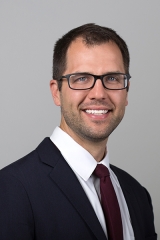
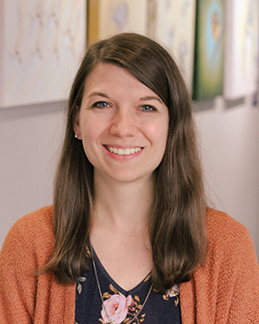
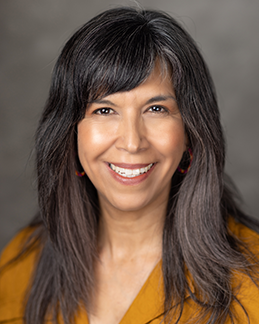
Jerico Cummings
BS
Jerico Cummings (they/them) is member of the Cheyenne River Sioux Tribe and works at the Northwest Portland Area Indian Health Board as the Syndemic Support Project Manager. Outside of work, Jerico is an outdoors person that loves to spend countless hours in the mountains and many bodies of water throughout the Pacific Northwest.

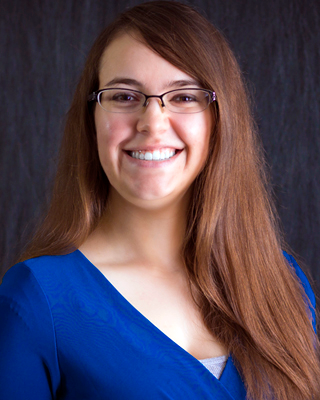
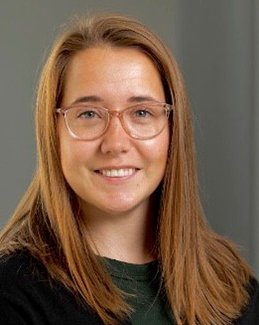
Itai Jeffries
PhD
Itai Jeffries, PhD (they/them/y’all) is a sociologist, educator, researcher, and consultant whose work spans tribal public health, 2SLGBTQ+ healthcare, systems and movement capacity building, and organizational development. They joined the Raven Collective to help create meaningful, relationship-centered solutions that address the barriers Indigenous Americans—especially trans and gender-expansive people—face in accessing equitable healthcare.
Itai is yesah/Occaneechi and settler. They were born and raised on Occaneechi and Sappony lands in rural North Carolina, where they grew a deep love for working with the land, learning from the foods and medicines she offers, building community, and appreciating the healing power of humor. Now based in Western Washington on the lands of the Duwamish and Coast Salish peoples, Itai co-stewards an urban microfarm with their sister Tui (and a flock of kooky hens).
Guided by a belief that everyone deserves dignity, respect, and access to wellness, Itai grounds their work in the stories, families, and intergenerational memories that shape us. They believe in the power of tapping into these roots—and in celebrating the intersections between us—to overcome barriers and build collective thriving. This belief is central to their contributions at the Raven Collective.
Resources Provided:
Date added: May 2, 2026