Peer Recovery – Talking Circle
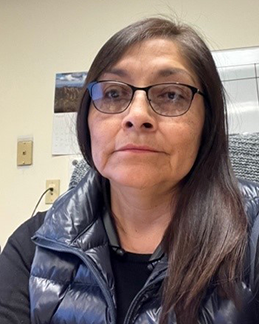
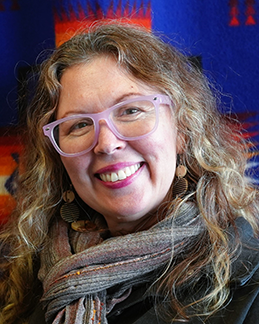
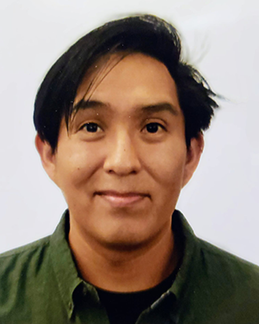
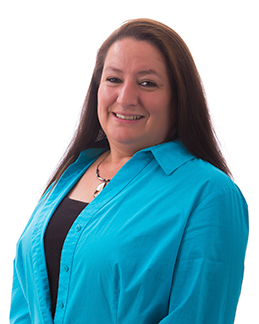
The peer talking circle is a space for attendees to share challenges and celebrate successes with other peers. The goal of the talking circle is to provide community, support, and…
Presenter: Dr. Maegan Rides At The Door
Presenter Bios:
|
|
As a dedicated leader in trauma-informed care, Dr. Maegan Rides At The Door, LCPC (she/her) (enrolled member of the Fort Peck Dakota and Nakoda Tribes and descendant of the Absentee Shawnee Tribe) has spent over a decade advancing the healing and resilience of Native children, families, and communities. With a robust background as the Director of the National Native Children’s Trauma Center (NNCTC) at the University of Montana, she has consistently driven initiatives aimed at trauma-focused healing for Native populations. She has contributed to the successful management of multimillion-dollar projects funded by federal agencies. She actively contributes to academia through teaching undergraduate and graduate-level courses for the University of Montana and Salish Kootenai College. She remains steadfast in her mission to expand access to quality services, promote trauma-informed policies, and empower individuals to heal from the effects of trauma. |
Presentation Slides: Link Available Soon
Presenter: Dr. Jorge Mera
Presenter Bios:
|
|
Dr. Jorge Mera is the director of the Infectious Disease Department at the Cherokee Nation Health Services, the largest tribally operated health care system in the United States. In 2014, in response the HCV national epidemic he launched the first ProjectECHO hub in the state of Oklahoma. This hub was focused on Hepatitis C treatment and elimination and has provided treatment recommendations to over 1400 American Indian/Alaska Native patients with HCV. In addition, Dr. Mera has been instrumental in the implementation of other ECHO hubs across Indian Country. These hubs have focused on COVID-19, HIV, HIV PrEP, infectious diseases, substance use disorders and eliminating the HIV/HCV/SUD/Syphilis syndemic. Dr. Mera completed his fellowship in Infectious Diseases and Clinical Microbiology at Baylor College of Medicine in Houston, Texas and is Board Certified by the American Board of Internal Medicine in Infectious Diseases. He is an Associate Professor in the Infectious Diseases Division at the University of New Mexico, Health Science Center, Strategic Advisor for Project ECHO in Latin America, as well as the ECHO Medical Director for the Northwest Portland Area Indian Health Board. Dr. Mera is a Fellow of the American College of Physicians. |
Presentation Slides: Link Available Soon
Presenter: Dr. Kelly Boegart
Presenter Bios:
|
|
Kelly Bogaert, MD, MSc, FACOG is an Assistant Professor of Obstetrics & Gynecology at the University of Colorado and a practicing OB/GYN generalist at Denver Health in Denver, Colorado. She completed medical school at the University of Washington and her OB/GYN residency training at the Icahn School of Medicine at Mount Sinai in New York. She then went on to complete a two-year Global/Rural Health Fellowship (HEAL) through the University of California San Francisco. During fellowship, she split her time working with the Indian Health Service on Navajo Nation in Shiprock, New Mexico and Partners in Health in rural Rwanda, working on projects related to rural obstetric emergencies and medical education. She also completed a Masters in Epidemiology at the London School of Hygiene and Tropical Medicine. In her current work, she is focused on clinical care in an urban safety net hospital while pursuing research focused on education, training, and simulation related to obstetric emergencies in rural and global settings. |
Presentation Slides: Link Available Soon
Presenter: Dr. Rohsennase Dalton LaBarge
Presenter Bios:
|
|
Rohsennase Dalton LaBarge, MD carries the responsibilities of the Tehanakarine Rotiskarewake’ clan family whose fire sits at the Ahkwesáhsne Mohawk Nation. He is a first-generation physician, graduate of the University of Rochester School of Medicine, and current Emergency Medicine Chief Resident at URMC. His professional interests include justice driven patient care and repairing relationships between under resourced communities and the medical field. He is a fierce advocate for historically excluded students in healthcare, especially Indigenous students. Rohsennase is also an accomplished Onekò:rha’ Wampum artist and storyteller. He uses this traditional practice as a tool for reflection, cultural reconnection and to promote discussions about Onkwehón:we sovereignty, health and resilience. |
Presentation Slides: Link Available Soon
Presenter: Dr. Jeanie Ringelberg and Dr. Sachin Moonat
Presenter Bios:
|
|
Dr. Jeanie Ringelberg is the ED Director at Northern Navajo Medical Center in northern New Mexico and the Four Corners region where she has worked for almost 7 years. She trained at Geisel SOM at Dartmouth and then stayed in New England at Dartmouth Hitchcock for EM residency. Dr. Ringelberg received her MPH from The Dartmouth Institute and still loves public health and systems work which she does every week in her job. She completed an emergency ultrasound fellowship from Banner University Medical Center in Tucson before joining IHS knowing she wanted to do rural medicine. She loves recharging in the outdoors and she and her husband own Zuma Bike Ranch in southwest Colorado where mountain bikers come to camp, receive coaching, ride trails and relax. She feels grateful every day to work with our patients and do what she does! |
|
|
After a few years working in the community as a locums and per diem ED physician, Dr. Moonat found his way to the IHS, where he spent the last 3 years at GIMC and various GPA sites. He currently works at Pine Ridge Hospital as his primary clinical site and serves as the GPA EM Consultant. |
Presentation Slides: Link Available Soon
Presenter: Dr. Alex Baker (Lead), Co-Authors: Dr. David Gummin, Dr. Jeffrey Bullard-Berent
Presenter Bios:
|
|
Dr. Alex Baker is a board-certified pediatrician and is currently in his second year of fellowship for Pediatric Emergency Medicine at the University of New Mexico. Dr. Baker started his medical training as an EMT-Basic in San Diego, working interfaculty transfer, 911, and special events before working with a children’s hospital transport team. He returned to his home state of New Mexico for medical school and residency in General Pediatrics. His current practice interests are pediatric pre hospital medicine and pediatric transport medicine. |
|
|
David Gummin, MD, FAAEM is a Professor of Emergency Medicine and Medical Toxicology at the University of New Mexico’s main campus in Albuquerque, NM. Originally from the Midwest, he trained in chemistry and in medicine before spending 5 years in the US Navy, doing mostly hyperbaric and environmental physiology research. He returned to the Midwest to complete residency and fellowship in Chicago. He’s worked as an emergency physician and in poison control for more than 25 years. He currently serves as the Medical Director of the New Mexico Poison and Drug Information Center (NMPDIC) based in ABQ. |
|
|
With more than 30 years in pediatric emergency medicine, Dr. Jeffrey Bullard-Berent has led clinical, educational and research programs in the US, and internationally. He worries that all the advancements we’ve made in child health are being destroyed in less than a generation by global autocracies. Dr. Bullard-Berent has a multicultural family, one son, one trans-femme daughter and they lovingly describe their teenage granddaughters as Afro-Latina-Gringa-Jews. He is a perennial bad guitarist, adequate potter, and loves being a sous chef to his incredible chef wife (retired pediatric anesthesiologist) Deb. |
Presentation Slides: Link Available Soon
Presenter: Dr. Sergio Camba, Dr. Petter Overton-Harris
Presenter Bios:
|
|
Dr. Sergio Daniel Camba is a board-certified emergency physician and board-eligible EMS physician who serves as an Assistant Professor in the OHSU Department of Emergency Medicine while practicing clinically in both urban and rural emergency departments. He holds multiple EMS medical director roles across the Pacific Northwest and focuses his work on prehospital systems design, quality improvement, and clinician education. A committed educator, Dr. Camba leads innovative training programs, conducts applied EMS research, and works to strengthen the confidence and performance of prehospital teams for the future of emergency care. |
|
|
Dr. Petter Overton-Harris is a board-certified emergency physician and board-certified EMS physician who serves as an Assistant Professor of Emergency Medicine and EMS at OHSU. He practices clinically in a variety of settings, spanning from intercity urban to rural communities. He holds various EMS medical directorships throughout the Northwest. His work focuses on rural/austere out-of-hospital care, education, and advancing EMS research. Dr. Overton-Harris is passionate about advancing out-of-hospital care and reaching clinicians in new and innovative ways. |
Presentation Slides: Link Available Soon
Presenter: Dr. Dan Schnorr, Charlene Laplante
Presenter Bios:
|
|
Dan Schnorr, MD, MPH, is an emergency physician currently serving as Emergency Department Director for the San Carlos Apache Healthcare Corporation, a critical access tribal hospital in Arizona. |
|
|
Charlene Laplante is a veteran criminal prosecutor and recognized authority on mental health law, with more than 30 years of experience at the intersection of public safety and behavioral health. A native of Tucson, Arizona she earned her Juris Doctor from the University of Arizona and has spent her career prosecuting complex cases, many involving defendants with serious mental illness. Ms. Laplante has developed deep expertise in competency proceedings, involuntary evaluation, and court-ordered treatment, grounded in decades of frontline experience. As Chief Prosecutor for the San Carlos Apache Tribe, she leads a team of prosecutors and oversees all mental health-related cases within the community. She is the author and implementer of the Tribe’s mental health involuntary evaluation and treatment code, demonstrating her leadership in shaping legal frameworks that balance individual rights with community safety. Drawing on this experience, Ms. Laplante brings a practical, systems-level perspective on the evolving role of prosecutors in addressing mental illness—bridging law, healthcare, and community leadership to confront some of the justice system’s most complex and urgent challenges. |
Presentation Slides: Link Available Soon
Presenter: Dr. Sara Yang
Presenter Bios:
|
|
Dr Sara Yang is an assistant professor in the Otolaryngology Head and Neck Surgery Department with further specialized training in Facial Plastics and Microvascular Reconstruction. Her expertise includes complex facial reconstruction which encompasses- microvascular reconstruction for head and neck cancer, neuroplastics, gender affirming facial surgery for transgender patients, and facial trauma. |
Presentation Slides: Link Available Soon
Presenter: Nicole Stahlmann, Anna Lennox
Presenter Bios:
|
|
Nicole Stahlmann, MN, RN, SANE-A, AFN-BC, SANE-P, FNE-A/P, serves as the forensic nursing consultant with the Division of Nursing Services, Indian Health Service (IHS) Headquarters. Prior to her work with IHS, she served as a forensic nursing specialist with the International Association of Forensic Nurses and was the clinical program manager for the District of Columbia Forensic Nurse Examiners. Stahlmann was an emergency department nurse and adjunct instructor, teaching both undergraduate and master prepared students at Georgetown University. She continues to practice clinically, providing care for patients who have experienced violence. |
|
|
Anna Lennox is the Sexual Assault Nurse Coordinator for the Whiteriver Service Unit. She has worked in the Emergency Department as a Charge nurse and Forensic nurse for 11 years. Anna works with victims of violence in all hospital settings and provides comprehensive forensic care. In her time as SANE Coordinator Anna has performed hundreds of forensic exams, trained over 30 nurses to perform exams, been recognized by the Department of Justice for victim’s services, and created innovative forensic policies and procedures for Indian Health Services. |
Presentation Slides: Link Available Soon
Presenter: Dr. Jim Kennedye
Presenter Bios:
|
|
James “Jim” Kennedye, MD, MPH, FACEP, is from Oklahoma City, OK and is a member of the Kiowa Tribe and an emergency and public health physician. He has worked clinically while teaching medical students, residents and supervising clinical staff in settings ranging from rural and American Indian hospitals to military hospitals, community hospitals and Level 1 Trauma Centers. As one of only a handful of Native American Emergency Physicians in the United States, he is board certified by the American Board of Emergency Medicine (ABEM) and is currently practices at St. Francis Hospital in Tulsa, OK., the state’s largest emergency department and Level 1 Trauma Center. Dr. Kennedye served in the U.S. Navy as an enlisted Construction Mechanic “Seabee” and later as a Navy Medical Officer with the Fleet Hospital and the U.S. Marine Corps. He earned a B.S. in Biological Sciences and a Doctor of Medicine in Oklahoma, completed his Emergency Medicine residency at Washington University in St. Louis and later earned a Master of Public Health degree and Minority Health Policy Fellowship at Harvard University. He has been deeply involved in leadership in medicine, public health, health policy, Indian Health, and Native American issues in Oklahoma and across the United States. His service includes board roles with the Association of Native American Medical Students (ANAMS) and Association of American Indian Physicians (AAIP). He regularly engages with the Oklahoma State Legislature and U.S. Congress on Native American and medical issues and has contributed to published public health research with the University of Oklahoma’s Hudson College of Public Health and basic science research with the Oklahoma Medical Research Foundation (OMRF). He is the Immediate past-president of the Oklahoma College of Emergency Physicians (OCEP) and serves on the Executive Board of the Oklahoma City Indian Clinic. Speaking his own Kiowa language, he is a proud member of the Kiowa Black Leggings Warrior Society (Ton Kon Gyat). Outside of medicine, he is an avid motorcycle enthusiast, having raced for many years. This led Dr. Kennedye to serve as a trackside, sports medicine physician for the AMA Supercross and Motocross series across the U.S. Among his many interests are learning and teaching traditional Native American cultural practices as determinants of Indian health along with traveling and studying indigenous populations around the world and the health impacts of European colonization. His son, Patrick, is a family physician and his daughter, Jacque, a U.S. Naval Academy graduate and Navy Pilot. He was a 2022 and 2023 White House Fellowship National Finalist. |
Presentation Slides: Link Available Soon
Presenter: Dr. Leah Downey
Presenter Bios:
|
|
Dr. Leah Downey is a neonatologist and Assistant Professor of Pediatrics at Oregon Health and Science University (OHSU). She completed her residency training in General Pediatrics at the Children’s Hospital of Philadelphia and her fellowship training in Neonatal-Perinatal Medicine at OHSU. Her scholarly work centers on the application of point-of-care ultrasound (POCUS) in neonatal care. As an NRP instructor, Dr. Downey is passionate about neonatal education and resuscitation training. She is an active member of the American Academy of Pediatrics and has been recognized for both academic excellence and humanistic care through membership in Alpha Omega Alpha and the Gold Humanism Honor Society. |
Presentation Slides: Link Available Soon
Presenter: Mary Coon, Tony Nazario, Brigg Reilley
Presenter Bios:
|
|
Dr. Mary Coon is the Chief of Emergency Medicine at the Phoenix Indian Medical Center in Phoenix, Arizona. A board-certified emergency physician with more than 25 years of clinical experience, Dr. Coon has practiced in a wide range of emergency care settings, including freestanding emergency departments, community hospitals, and large tertiary academic medical centers. Dr. Coon’s professional interests include enhancing the patient experience, advancing process improvement initiatives, and promoting inclusive, equitable care—particularly for LGBTQ+ patients in the emergency department setting. She is dedicated to fostering systems that improve outcomes, efficiency, and compassion in acute care medicine. Outside of her professional responsibilities, Dr. Coon is a devoted mother of five and a proud grandmother of one. She enjoys reading and traveling, pursuits that reflect her curiosity, lifelong love of learning, and appreciation for diverse perspectives. |
|
|
Tony Nazario, FNP, is the STI Clinic Director at the Phoenix Indian Medical Center, Phoenix, AZ. |
|
|
Brigg Reilley has worked as an epidemiologist in Indian Country for 15 years monitoring trends in HIV, HCV, and STIs and working with the National IHS Program on response to ensure timely diagnosis and treatment. He has authored many articles on policy and practice for syndemic response. Prior to his role with IHS and tribal health systems, he worked for 10 years with Doctors Without Borders in Africa, Asia, and Latin America. |
Presentation Slides: Link Available Soon
Presenter: Dr. Daniel Fitzgerald
Presenter Bios:
|
|
Daniel Fitzgerald, MD, is a hospitalist and Director of Clinical AI in the Clinical Innovation Group at U.S. Acute Care Solutions, a physician-owned organization that staffs over 400 EM, HM, and ICU programs across 27 states. A former Clinical Innovation Fellow, he now sits on the National Clinical Governance Board, AI Governance Committee, and HM Efficiency Academy. His work focuses on AI scribes/CDS tools, AI literacy, workflow architecture, prompt engineering, auditing/governance, and human factors- aimed at turning AI “black box” systems into “glass box” tools. |
Presentation Slides: Link Available Soon
Presenter: Dr. Paige Skorseth
Presenter Bios:
|
|
Paige Skorseth is a Vascular Neurology Fellow at Oregon Health & Science University (OHSU) in Portland, Oregon. She completed her undergraduate studies in Health Sciences at DePaul University and earned her medical degree from the University of Wisconsin. Dr. Skorseth completed her neurology residency at OHSU, where she served as Chief Neurology Resident prior to fellowship. Her professional interests include rapid stroke diagnosis, systems-based stroke care, and optimizing emergency department workflows for time-sensitive neurologic emergencies. Following fellowship, she plans to pursue global health work providing volunteer clinical care and neurologic education in South America and Africa. |
Presentation Slides: Link Available Soon
Presenter: Dr. Jasmine Fernandez, Dr. Jared Delaney, Dr. Anna Klunk, Dr. Tom Wyatt
Presenter Bios:
|
|
Jasmine is a member of the Pascua Yaqui Tribe and first year Emergency Medicine resident at Hennepin County Medical Center in Minneapolis, Minnesota. Originally from California, she called the PNW home as a Wy’east Post-Baccalaureate Pathway scholar and medical student at Oregon Health & Science University. Her special interests include building partnerships for mentorship of underrepresented students in medicine and engaging in community outreach. |
|
|
Jared Delaney is a Klamath Tribal Member and Hennepin County Emergency Medicine Resident who grew up in Southern Oregon. Jared attended medical school at Oregon Health and Sciences University after completing the Wy’East Post Baccalaureate pathway. Special interests include diversity, equity, and inclusion initiatives as well as mentorship and support of underrepresented minorities in medicine. |
|
|
Anna Klunk (Red Lake Nation) is a resident physician in the combined emergency and internal medicine residency program at Hennepin County Medical Center in Minneapolis, MN. She received her Doctorate of Osteopathic Medicine (DO) from the Philadelphia College of Osteopathic Medicine and a Master of Public Health (MPH) degree from the University of Cincinnati. She has a particular focus in addiction medicine, critical care medicine, and improving access to care for rural and Native populations. |
|
|
Dr. Thomas Wyatt grew up in Oklahoma and is an enrolled member of the Shawnee and Quapaw tribes. After graduating from the University of Oklahoma with an undergraduate degree, he earned his medical degree at the University of North Dakota School of Medicine through the Indians Into Medicine (INMED) program, before going on to complete residency training in Emergency Medicine at Hennepin County Medical Center in Minneapolis, MN. He is currently the Chair of Emergency Medicine at Hennepin Healthcare and Associate Professor of Emergency Medicine at the University of Minnesota Medical School. He served on the Hennepin Healthcare Board of Directors for 6 years and currently serves on the Board of Directors for the Hennepin Healthcare Foundation, as well as the LifeSource organ procurement organization. He is a founding member and Co-Chair of the American Indian Collective at Hennepin Healthcare. Dr. Wyatt remains involved in tribal activities in Oklahoma and engages in different American Indian outreach initiatives within the state of Minnesota. He recently served as co-lead for the Indigenous Pathway curriculum at the University of Minnesota Medical School. |
Presentation Slides: Link Available Soon
Presenter: Brandon Bennett
Presenter Bios:
|
|
Brandon Bennett, Field Office Supervisor and Emergency Medical Technician with the Navajo Nation Emergency Medical Service in To’Hajiilee, New Mexico. He is also currently serving as the Time-Sensitive Illness Response Project Lead. Before entering EMS leadership, Brandon served as a Student Resident Advisor at the Southwestern Indian Polytechnic Institute, where he helped foster community, provided crisis response, and supported student development. He holds degrees in Business Administration and Accounting from the Southwestern Indian Polytechnic Institute and in Population Health from the University of New Mexico. His educational background strengthens his ability to navigate public health systems, support community well-being, and contribute to data-informed health initiatives across Tribal communities. Brandon brings a strong commitment to service, leadership, and community centered care, making him a valued contributor to advancing emergency medical response and population health within the Navajo Nation and beyond. |
Presentation Slides: Link Available Soon
Presenter: Dr. Joseph Mega, Carol Gordon-Logan, Dre Cantwell-Frank
Presenter Bios:
|
|
Dr Mega is a Board-Certified Physician in Family Medicine and Addiction Medicine. In 2014, he completed his residency in Family Medicine at the Contra Costa Family Medicine Program in Northern California. He subsequently worked full time in the Emergency Room at the Contra Costa Regional Medical Center and helped to pilot a Bridge program that deployed Substance Use Navigators to help patients in the ER address needs related to substance use. He then served as the medical director for the Health Care for the Homeless program in Contra Costa County and worked in the county jail system for several years. In both places he was able to pilot novel programs to provide low-barrier medication assisted treatment to patients with opioid use disorder. In 2021 Dr Mega joined the Whiteriver Indian Health Service hospital in Whiteriver, AZ serving the White Mountain Apache Tribe. He currently works in the ER at Whiteriver where he also helped pilot a Bridge clinic, which addresses the needs of patients with substance use disorders. Dr Mega also works as an implementation leader with The Bridge Starts Program, helping Emergency Departments establish medication for opioid use disorder (MOUD) programs and support local clinicians caring for patients with MOUD. |
|
|
Greetings! My name is Carol Gordon-Logan. I work as a Substance Use Navigator at the Whiteriver Indian Health Service. The Whiteriver Indian Health Service is located on the Fort Apache Indian Reservation which is in east-central Arizona. I am White Mountain Apache and reside on the reservation. With a diverse background working within tribal housing, finance, and most recently public health nursing. I recently completed my Master’s in Public Health from Grand Canyon University. When I’m not working I enjoy being outdoors, traveling, and binge-watching series. I am very thankful to be here. Ashoge’ |
|
|
Dre directs Bridge’s national work to facilitate the implementation and expansion of Emergency Department and EMS MOUD around the country. She is a paramedic and EMS instructor with 19 years of experience in mental health, emergency medicine, critical care, and public health. Her previous work includes managing Emergency Medical Services for a Tribal Health Organization in rural Alaska, and serving as an infection control and emergency response consultant for the Montana Department of Public Health and Human Services during the Covid-19 pandemic. Dre is passionate about health equity and patient-centered care, particularly in rural and under-resourced communities. Dre studied Psychology at Harding University and Paramedic Sciences at the University of Alaska. |
Presentation Slides: Link Available Soon
Presenter: Dr. Amelia Gurley
Presenter Bios:
|
|
Dr. Amelia L. Gurley earned her medical degree from Brown University’s Warren Alpert Medical School. She completed an Emergency Medicine residency at the University of California, Riverside, training in a trauma center and high-acuity emergency department. She then spent a year riding around on ambulances in the urban “wilderness” of SF and Oakland during an EMS and Disaster Medicine Fellowship at the University of California, San Francisco, focusing on disaster response, medical education, health policy, and quality improvement. Today, Dr. Gurley spends her time hiking in the Sequoia wilderness, helping run the National Park Service Parkmedic training program and provide medical direction for several national parks and forests, and seeing patients and teaching residents in the emergency room at UCSF Fresno. |
Presentation Slides: Link Available Soon
Presenter: Dr. Shawn D’Andrea, Dr. Natasha DeSousa & Dr. Dominick Maggio
Presenter Bios:
|
|
Shawn D’Andrea MD, MPH, FACEP is an emergency physician, administrator, and educator with a background in global emergency medicine. With an early career focus on humanitarian response Dr. D’Andrea transitioned to emergency department leadership in 2015 as chief of emergency medicine at Tsehootsooi Medical Center on the Navajo Nation in the southwest United States. In 2019 he was appointed to a national role as Emergency Medicine Chief Clinical Consultant for the US Indian Health Services providing operational guidance to multiple emergency departments across the US. From 2022 to 2024 he served as emergency medicine senior faculty at the University of Botswana. Dr. D’Andrea now serves as the Executive Director of the International Emergency Department Leadership Institute. |
|
|
Natasha DeSousa, CCFP(EM), MSc, MPhil, left urban Emergency Medicine in 2016, moving to British Columbia’s Northwest. Serving a massive geography at a remote regional centre, she initially found the resource limitations, transport challenges and health inequities both heartbreaking and challenging. She committed to improving care in her region, serving as the Department Lead for seven years – advocating for and working with the Health Authority to introduce a Simulation Program, Respiratory Therapy coverage, appropriate MD coverage, Mental Health Liaison Nursing and Aboriginal Patient Liaison services. Her interest in acute care systems improvement led to the 2025 completion of a UBC-MGB Fellowship in Emergency Department Leadership. Her Capstone Project and current work explore modifiable factors supporting the resilience of British Columbia’s mid-sized Rural Emergency Departments. She continues to work at a Provincial level with various organizations to tackle the health inequities faced by Rural and First Nations patients in British Columbia. She also serves as the Program Director for the University of British Columbia’s Integrated Community Clerkship Program, promoting the value of having medical students live and work in rural communities. Raising her two amazing kiddos back in the Northwest alongside her husband, parents, sisters and extended family as been an exceptional privilege. |
|
|
Dominick Maggio, MD is the Director of the Emergency Department at the Whiteriver Service Unit. He was previously the EMS Director at Tuba City Regional Healthcare. He’s worked at various IHS and tribal sites over the last 11 years. |
Presentation Slides: Link Available Soon
Presenter: Dr. Nikolai Schnittke
Presenter Bios:
|
|
Nikolai Schnittke, MD, PhD is an Associate Professor of Emergency Medicine at OHSU. He completed an ultrasound fellowship and is passionate about bringing ultrasound to the bedside of patients with cardiovascular emergencies. Since joining OHSU in 2019, he has been the Emergency Department liaison with Cardiology. In this role, he has worked on implementation of evidence-based clinical pathways for evaluation and management of chest pain, acute coronary syndrome, and heart failure. His current research funded by the Biomedical Advanced Research and Development Authority focuses on the improving access to point-of-care ultrasound through automation. |
Presentation Slides: Link Available Soon
Presenter: Dr. Rebekah Griffith and Dr. John Van Eyk
Presenter Bios:
|
|
Dr. Rebekah Griffith, PT, DPT, NCS, FAAOMPT, is a physical therapist and nationally recognized speaker known for championing top-of-scope practice and redefining physical therapy’s role in the emergency department. She is the founder of The ED DPT, author of Top of Scope, and a frequent keynote speaker on leadership, advocacy, and system-level impact in healthcare. |
|
|
John Van Eyk, PT, MPT, BSBA, is the Lead Physical Therapist in the Emergency Department at TseHootsooi Medical Center in Fort Defiance, Arizona. He has 29 years of clinical experience, including more than 15 years serving the Navajo Nation, and has practiced emergency department physical therapy since 2003. His specialties include embedded ED rehabilitation models, sports medicine, and musculoskeletal point-of-care ultrasound. |
Presentation Slides: Link Available Soon
Presenter: Dr. Erik Brodt (Ojibwe)
Presenter Bio:
 |
Erik (Anishinaabe) grew up in Wisconsin and Minnesota. Dr. Brodt earned his M.D. from the University of Minnesota and completed Family Medicine residency at the Seattle Indian Health Board. He is an Associate Professor at OHSU, Assistant Dean of Native American Health, and Director of the Northwest Native American Center of Excellence at OHSU School of Medicine. Beyond work he is a co-founder of Ginew®, founder of WE ARE HEALERS, and enjoys time with his wife Amanda, daughter Honukōkūlaniokauna’oa, son Malama’olinō’aumoe, and dogs Stinky & Pippa. |
Presentation Slides: Link Available Soon
Presenter: YakaiYastai Gorman-Etl (Navajo/Cheyenne)
Presenter Bio:
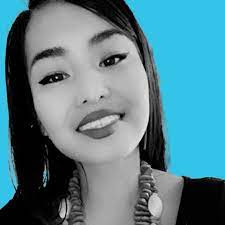 |
Yakaiyastai Gorman-Etl (Navajo/Cheyenne), is a Northwest Indian College Alumni, current student of Antioch University, Yakaiyastai Nanabah Gorman-Etl is originally from Steamboat, Arizona of the Navajo and Cheyenne Tribes. The first daughter of eight children to Beverly and Emerson Gorman. Yakaiyastai is a young indigenous scholar, mother and wife who strives to learn more about how to preserve inherent rights for future generations through higher education. Along with learning her foundational traditional knowledge of Navajo teachings, she is self-taught in traditional herbal medicine, holistic healing and food sovereignty. She grew up with a father who was known as a traditional medicine man and a mother who worked for John Hopkins Center for American Indian Health Center as a researcher. Raised in a traditional hogan without running water or electricity, Navajo spoken as their first language and raised with Navajo structural influence. She learned the importance of traditional values, holistic health and knowledge as it connects to sense of place as well as the person, she would become to help her surrounding communities. Currently, she has worked in various capacities of Wellness Coordinator at Northwest Indian College and an Environmental Science Instructor. Having learned the importance of healing and medicine from both spectrums of traditional and western medicine, she utilizes her knowledge to bring equitable health initiatives on behalf of indigenous people through her work as a Behavioral Health Program Coordinator and interim Community Health Program Coordinator. |
Presentation Slides: https://echo.npaihb.org/wp-content/uploads/2024/04/4_Hozhoojikego-Nanitin-Wellness-is-Decolonization.pdf
Presenter: Carrie Sampson-Samuels (Umatilla), and Jason Butler (Ute/Mojave/Cherokee)
Presenter Bios:
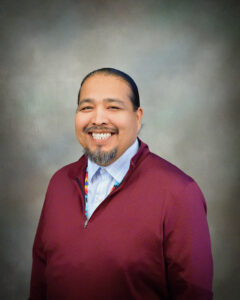 |
Jason Arion Butler is an enrolled member of the Ute Tribe of Fort Duchesne, Utah and is also part Mojave and Cherokee. He resides in Gibson, Idaho with his wife of 22 years, children, and grandchild who are all enrolled members of the Shoshone-Bannock Tribes. He graduated from Idaho State University with a Bachelor of Arts in Psychology and earned his Master of Science in Family and Human Development from Arizona State University. He has spent the past 5+ years employed by the Shoshone-Bannock Tribes, Tribal Health and Human Services Department, where he spent time serving as the Recovery Service Coordinator for the Four Directions Treatment Center, the manager for the Community Health Representative program, and recently accepted the position of Behavioral Health Manager. He strives to incorporate Native culture, traditions, morals, and values into the healthcare services provided to Native communities, implementing these practices into his work with the Shoshone-Bannock Tribes and advocating for the reconstruction of healthcare practices nationally. Today he says, “I am loving life and am extremely thankful to have found a career path I love. |
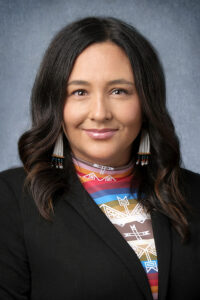 |
Carrie Sampson-Samuels is an enrolled member of the Confederated Tribes of the Umatilla Indian Reservation located in Eastern Oregon. Carrie has an early background in nursing providing patient care in long term and clinical care settings. Carrie then furthered her education in community health and health studies at Portland State University, later advancing her education in healthcare management at Oregon Health and Sciences University while serving in leadership and executive management for a Tribal health organization as the Community Health Director. Carrie has served Tribes from Oregon to Montana and the Treaty 7 Blackfoot Confederacy in Southern Alberta. As the Community Health Aide Project Director for the Northwest Portland Area Indian Health Board, Carrie has provided leadership, advocacy and project management for expansion for the Behavioral Health Aide and Community Health Aide Program under the umbrella and direction of the Tribal Community Health Provider Project. This work has led to the expansion of Tribal Community Health Providers in Washington, Oregon, and Idaho. Carrie is responsible for leading partnerships with the education institutions, key Tribal partner sites, contract experts and advisory workgroups. This includes development of education infrastructure, education curriculum, recruitment strategies, tools for integration of providers into tribal health organizations, and working with state partners to develop policy and infrastructure for provider reimbursement. Carrie manages and writes multiple grants that support all aspects of this work and provides technical assistance support to the Portland Area CHAP Certification Board. Carrie is the proud mother of 4 daughters and resides on a small ranch on her Tribal homelands. |
Presentation Slides: https://echo.npaihb.org/wp-content/uploads/2024/04/Cultural-Responsiveness-in-the-Development-of-the-Community-Health-Aide-Program.pdf
Presenter: Christopher Hoover, MD and Constance Liu, MD
Presenter Bios:
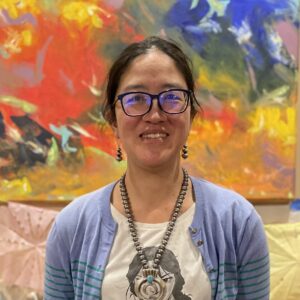 |
Dr. Liu is a generalist OB/GYN at Gallup Indian Medical Center. In addition to her medical degree, she holds a PhD in Health Policy. Among other publications, she served as the chief editor for the 2019 Oxford University Press book: “50 Studies Every Obstetrician and Gynecologist Should Know.” She has formal training in Quality Improvement processes through the Partners Clinical Process Improvement Leadership Program (CPIP), which she utilized to implement emergency contraception at Massachusetts General Hospital. During her six years at Gallup Indian Medical Center she has primary responsibility for preparing and reporting of metrics related to the delivery of obstetric care, and serves on the Continuing Medical Education committee. |
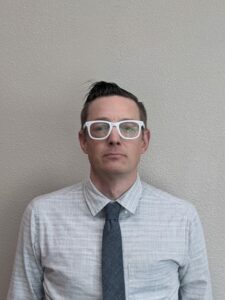 |
Dr. Hoover is from Chicago, where he grew up and went to medical school, at Rush University, on Chicago’s diverse West Side. He was trained in Urology at Boston Medical Center in Boston’s beautiful South End neighborhood. Dr. Hoover went on to pursue fellowship training in voiding dysfunction and laser prostate surgery at Beth Israel Deaconess Medical Center. Dr. Hoover is a Board-Certified Urologist, by the American Board of Urology, having achieved this honor in 2018. Dr. Hoover has several peer-reviewed publications, including research studies and medical illustrations. His family is happy to call Gallup home since the end of 2017. In their free time they like to explore New Mexico’s wilderness and go camping. Now that their two girls are growing up, it’s also imperative that we catch Pokemon wherever we go.Dr. Hoover is the only Urologist in McKinley County, New Mexico, and in any of the surrounding counties– it’s just him between Albuquerque and Flagstaff. He’s happy to continue seeing established patients, and is accepting new patients from the entire region. Dr. Hoover believes in communication, candor, and compassion as essential tenets of patient care. Dr. Hoover is an expert in general Urology, male and female voiding dysfunction, kidney stones and kidney stone surgery, BPH and laser prostate surgery, erectile dysfunction, vasectomy, prostate cancer, bladder cancer, kidney cancer, testicular cancer. Many of the procedures he do as a Urologist are done in the office including: cystoscopy, vasectomy, urodynamics, treatment foroveractive bladder, and many others. Please call/text or email and let him and his staff know how they can help you. |
Presentation Slides: https://echo.npaihb.org/wp-content/uploads/2024/04/Rapid-Fire-Clinical-OB-Emergencies-Urologic-1.pdf
Presenter: Erik Anderson, MD
Presenter Bio:
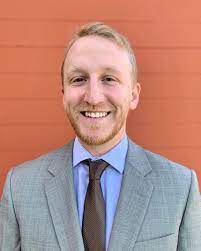 |
Dr. Erik Anderson, MD, is the Associate Medical Director of the Bridge Program and the Director of Addiction Consult Service in the Division of Addiction Medicine at the Department of Emergency Medicine at the Alameda Health System |
Presentation Slides: https://echo.npaihb.org/wp-content/uploads/2024/04/Bridging-the-Gap-Updates-in-Substance-Use-Treatment-in-the-ED.pdf
Presenter: Eric Wortmann, MD and Corey Detlefs, MD, FACS
Presenter Bios:
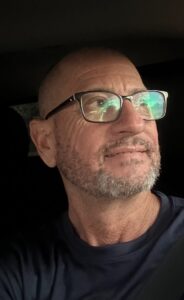 |
Eric Wortmann, MD is the former Director of Emergency Medicine at Chinle Comprehensive Health Care Facility. Besides patient care, Eric has a deep passion for mentoring aspiring physicians and health care providers. He was the Education Director of Emergency Medicine at Chinle as well as Adjunct Faculty for the US Army teaching Special Forces Medics. He has been a visiting professor of Emergency Medicine in Haiti and has worked in the Dominican Republic since 1989. Eric has a long-time passion as a mid and long-distance running coach. He has lived on Kauai for 30 years. Currently he divides his time between Northern Italy and Hawaii. Recently he was accepted into Doctors without Borders USA and is awaiting his first assignment. |
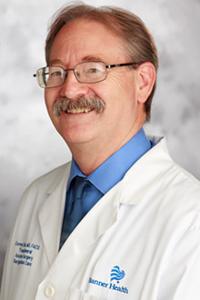 |
Corey Detlefs, MD, FACS, is the Trauma Outreach Director and an Associate Professor of Surgery at the University of Arizona College of Medicine – Phoenix |
Presenter Slides: https://echo.npaihb.org/wp-content/uploads/2024/04/30-Years-in-Emergency-Medicine.pdf
Presenter: Mike Johnson, MD
Presenter Bios:
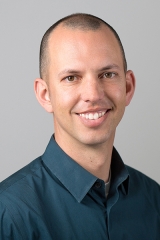 |
Dr. Mike Johnson completed his medical degree at the Medical College of Wisconsin in Milwaukee, WI and his residency in pediatrics at the Mayo Clinic in Rochester, MN. He is currently an Associate Professor in the Division of Pediatric Emergency Medicine at the University of Utah. Dr. Johnson´s clinical interests include improving the efficiency and effectiveness of patient care in the Emergency Department and Rapid Treatment Unit at Primary Children’s Hospital and across the Intermountain Health system, especially the care of children with respiratory illness including asthma and bronchiolitis. He serves as the representative of the Primary Children’s Hospital Emergency Department for hospital and system-wide work groups tasked with improving respiratory care. His research focuses on optimizing the care provided to children with severe acute asthma in the emergency department. Currently this work is centered on understanding the effectiveness of intravenous magnesium sulfate for children who are likely to be hospitalized despite other treatment in the emergency department. He works with pediatric emergency medicine physicians and researchers across the United States as a member of the steering committee for the Pediatric Emergency Care Applied Research Network (PECARN) and across the world as a participant in the Pediatric Emergency Research Networks (PERN) to conduct research that improves the lives of children no matter where they seek emergency care. Dr. Johnson cares for patients at Primary Children’s Hospital Emergency Department and Rapid Treatment Unit. |
Presentation Slides: https://echo.npaihb.org/wp-content/uploads/2024/04/EMRIC-Asthma-and-Bronchiolitis-2024.pdf
Presenter: Paul Charlton, MD
Presenter Bio:
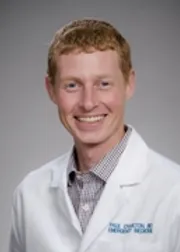 |
Dr. Paul Charlton, MD, MA, works as an emergency medicine physician at the Gallup Indian Medical Center where he currently serves as the emergency department director. He completed medical school at Dartmouth and his residency in Emergency Medicine at the University of Washington/Harborview. Dr. Charlton also holds a master’s degree from Georgetown University in Conflict Resolution, which drives his motivation to improve health care systems to address issues of quality, equity, and social justice. In addition to his clinical contributions, his academic niche is conflict management and health care, for which he holds academic affiliations with several universities focused on this topic. He lives in Gallup, New Mexico, with his wife and two children, and is an active climber and trail runner. |
Presentation Slides: https://echo.npaihb.org/wp-content/uploads/2024/04/Institutional-Innovations.pdf
Presenter: Rebecca Kim, MD
Presenter Bios:
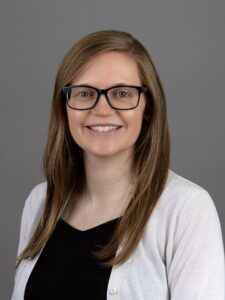 |
Rebecca G Kim, MD, MAS, is a transplant and general hepatologist at the University of Utah School of Medicine. She specializes in the care of patients with chronic liver disease, cirrhosis, patients being evaluated for a liver transplant and those who have received a liver transplant. Dr. Kim grew up in Salt Lake, and then traveled around the country for her training. She received her medical degree from the University of Cincinnati College of Medicine and completed her internal medicine residency at the University of California San Diego. She stayed in San Diego for an additional year to work as a Chief Medicine Resident, and then completed her gastroenterology and transplant hepatology fellowships at the University of California San Francisco. Dr. Kim feels passionately about caring for patients with any stage of liver disease and truly enjoys the long-term relationship she gets to build with her patients. She sees patients with viral, genetic, and autoimmune causes of liver disease, and specifically focuses on alcohol-associated liver disease and metabolic dysfunction-associated steatotic liver disease. She is also particularly interested in caring for and conducting research focused on patients with liver disease who also have social needs or unique barriers to healthcare access. |
Presentation Slides: https://echo.npaihb.org/wp-content/uploads/2024/04/Care-of-the-patient-with-cirrhosis.pdf
Please note recording is not available for this session due to the nature of the workshop.
Presenter: Anu Taranath, PhD
Presenter Bio:
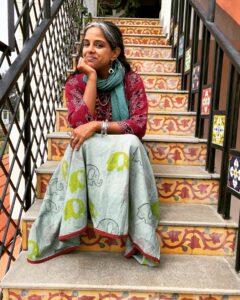 |
Dr. Anu Taranath brings both passion and expertise as a speaker, author, educator, and racial equity consultant. In all her work, she partners with a range of people to deepen conversations on history, harm and healing. A University of Washington Seattle professor for the past 23 years, Dr. Anu knows that the most compelling conversations on race, identity, power, and belonging take place when people feel valued and heard. She has received the Seattle Weekly’s “Best of Seattle” recognition, the University’s Distinguished Teaching Award, and multiple US Fulbright Fellowships to work abroad. As a consultant she has partnered with over 300 clients from National Geographic Society to the Raging Grannies. Her book “Beyond Guilt Trips: Mindful Travel in an Unequal World” was named a Washington State Book Award Finalist, Newsweek’s Future of Travel Winner in Storytelling, and included in Oprah Magazine’s “Best 26 Travel Books of All Times.” Visit www.anutaranath.com to learn more. |
Presenter: Anu Taranath, PhD
Presenter Bio:
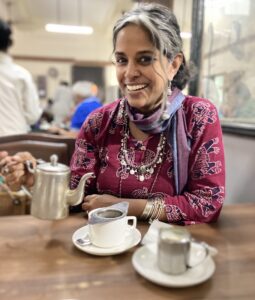 |
Dr. Anu Taranath brings both passion and expertise as a speaker, author, educator, and racial equity consultant. In all her work, she partners with a range of people to deepen conversations on history, harm and healing. A University of Washington Seattle professor for the past 23 years, Dr. Anu knows that the most compelling conversations on race, identity, power, and belonging take place when people feel valued and heard. She has received the Seattle Weekly’s “Best of Seattle” recognition, the University’s Distinguished Teaching Award, and multiple US Fulbright Fellowships to work abroad. As a consultant she has partnered with over 300 clients from National Geographic Society to the Raging Grannies. Her book “Beyond Guilt Trips: Mindful Travel in an Unequal World” was named a Washington State Book Award Finalist, Newsweek’s Future of Travel Winner in Storytelling, and included in Oprah Magazine’s “Best 26 Travel Books of All Times.” Visit www.anutaranath.com to learn more. |
Presentation Slides: https://echo.npaihb.org/wp-content/uploads/2024/04/How-to-Care-and-Help-in-an-Unequal-and-Unjust-Word.pdf
Presenter: Vijay Kannan, MD
Presenter Bio:
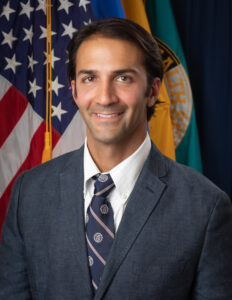 |
Vijay Kannan, MD, is the Director of the Office of Clinical Performance and Health Impact at IHS Headquarters. In this role he oversees the agency’s work on the monitoring and evaluation of clinical care, on academic affairs, on telehealth, and on credentialing and privileging. He previously worked as the Director of the Office of Quality Management for the Phoenix Area (Arizona, Utah, Nevada) IHS. His work there focused on identifying systemic issues in quality of care and addressing them in a context-relevant and data-driven manner. Prior to working for IHS he served as a Technical Officer at the World Health Organization (WHO) Headquarters in Geneva, Switzerland. He worked in the Clinical Services and Systems Unit, where he was the clinical focal point to the Quality Team and worked to develop emergency, surgical, and intensive care capacity in resource-limited settings as well to optimize the integration of care platforms across the care continuum. Before joining WHO, he served as faculty at Harvard Medical School, where his academic focus was on the use of registry-based analytics and applied implementation science methodology for quality improvement. He spent approximately one-third of his time in Africa as a consultant to WHO. He is an emergency physician by training, obtaining his Master’s in Public Health and fellowship in Global Health from the Harvard School of Public Health and Beth Israel Deaconess Medical Center. |
Presentation Slides: https://echo.npaihb.org/wp-content/uploads/2024/04/OCPHI-Tools-and-Strategies-for-Improving-Emergency-Care.pdf
Presenter: Larry Cesspooch (Ute)
Presenter Bio:
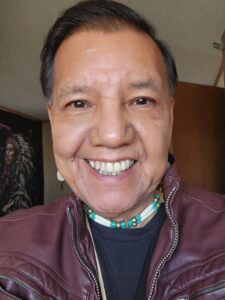 |
Larry Cesspooch Ute Filmmaker/Storyteller/Spiritual Leader uses all forms of media to tell his stories, film, music, and lecture. He grew up on the Uintah & Ouray Ute Reservation in Northeastern Utah. Larry maintains a Sweat Lodge and is one of the Spiritual Leaders for his Noohchew Ute people. Larry served as a Radioman 3rd Class in Vietnam with an Air Squadron VRC-50. He used the GI Bill to attend the Institute of American Indian Arts for his associate degree and went onto the Anthropology Film Center for his Bachelor Degree, both in Santa Fe, N.M. Larry returned home to create the “Ute Tribe Audio-Visual Department,” one of the first tribal production groups in the states in ‘79. They produced over 600 films for the Ute Indian Tribe on the culture, language, and history. During his 23-year tenure, Cesspooch also served as the Editor for the “Ute Bulletin” tribal newspaper and was Public Relations Director for the tribe. He served over twelve years as an Utah Humanities Public Square Speaker, presenting “Utah History Through Native Eyes,” as one of his many topics. He is often called on by his tribe to represent their history and their viewpoint. The filmmaker left the tribe in 2002 to create his own production company, “Through Native Eyes Productions.” Many of his films on his YouTube Channel. Webmaster Cesspooch continues to preserve Ute history through UteTube.org the Ute Indian Tribe’s History, Photo, Film & Audio Archives. Eventually the website will have 250 of the cultural films and over 500 photos. |
Presentation Slides: https://echo.npaihb.org/wp-content/uploads/2024/03/Poowavie-Moppaht-and-Wovookie.pdf
Presenter: A’lai Alvarez, MD
Presenter Bio:
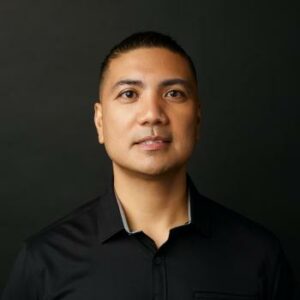 |
Al’ai Alvarez, MD (@alvarezzzy) is a national leader and educator on wellness, diversity, equity, and Inclusion. He is a clinical associate professor of Emergency Medicine (EM) and Well-Being Director at Stanford Emergency Medicine. He co-leads the Human Potential Team and serves as the Stanford EM Physician Wellness Fellowship Director. Dr. Alvarez is the chair of Stanford WellMD’s Physician Wellness Forum and the director of Stanford’s peer-to-peer support for faculty and trainees, the Physician Resource Network (PRN) Support Program. His work focuses on humanizing physician roles as individuals and teams by harnessing the individual human potential in the context of high-performance teams. This includes optimizing the interconnectedness between Process Improvement (Quality and Clinical Operations), Recruitment (Diversity and Representation), and Well-being (Inclusion and Belonging). He is one of the 2021-2022 Faculty Fellows at the Stanford Byers Center for Biodesign. Dr. Alvarez gives several grand rounds and national/international conference lectures and workshops on relevant topics in self-compassion, physician well-being, and high-performance teams, including increasing leadership capacity and mentorship to enhance diversity and inclusion. |
Presentation Slides: https://echo.npaihb.org/wp-content/uploads/2024/04/Showing-up-as-yourself-emRIC.pdf
Presenter: Jade Nunez, MD
Presenter Bios:
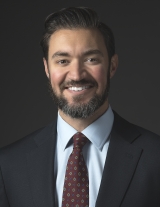 |
Jade M. Nunez, MD, is an Acute Care Surgeon whose practice is centered on the surgical care of critically-ill and injured patients. He completed his general surgery residency and fellowships in surgical critical care and acute care surgery at Wake Forest Baptist Medical Center in Winston-Salem, NC. An Associate Professor of Surgery at the University of Utah, he serves as Associate Trauma Medical Director and is responsible for performance improvement initiatives. He is also core faculty at the Center for Global Surgery, focusing on building educational programs and surgical capacity in Mongolia. |
Presentation Slides: https://echo.npaihb.org/wp-content/uploads/2024/04/Whole-Blood-Resuscitation-in-Trauma.pdf
Presenter: Ernest Begay (Navajo)
Presenter Bio:
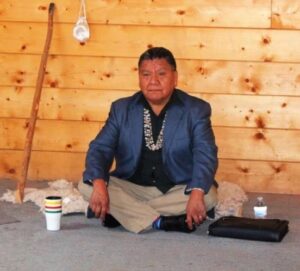 |
Ernest Harry Begay is a Traditional Counselor who resides at Rock Point, Arizona. He has been doing ceremonies constantly for 50 years. He has worked as a Traditional Practitioner for 14 years for the Navajo Department of Behavioral Health Services. He worked for 6 years as a Traditional Healer/Counselor for the Indian Health Services (Four Corners Regional Health Center – Red Mesa, Arizona). Presently, he is a Traditional Services Program Manager for the Utah Navajo Health System. He uses the Indigenous Navajo Modality which consists of Self Awareness, Self Respect, Self Help and Self Care. He uses the Navajo Oral Traditions of the Black, Blue, Yellow and White Worlds to heal. He helps people with substance abuse, mental challenges, behavioral disorders, domestic violence and the variety of sicknesses that clinical institutions deal with through allopathic medicine. He uses storytelling, ceremonies and sweat lodge as mechanisms to help people. He is also a traditional educator and presenter on a variety of topics; Parenting, indigenous education, indigenous governance, history, etc. |
Presentation Slides: https://echo.npaihb.org/wp-content/uploads/2024/04/Achieving-Balance-of-the-Spiritual-Mental-Emotional-and-Physical-Beings.pdf
Please note recordings of the hands-on skills and procedure day labs are not available
Presenter: Alisa Anderson, MD
Presenter Bio:
 |
Dr. Anderson is an emergency medicine physician serving at the Northern Navajo Medical Center. |
Description for Providers: In this skills lab, participants will have the opportunity for hands on experience with common procedures such as: incision and drainage, arthrocentesis, complex suturing, reductions, slit lamp exams and corneal foreign body removal.
Description for Nursing Staff: This lab is also a part of the *Critical Nursing Skills workshop (including the following topics: ultrasound PIV) and will include a didactic reviewing the anatomy and procedure, as well as time to practice looking at veins with ultrasound, and using ultrasounds to practice on phantom.
In anticipation of the lab, please take a moment to review the following asynchronous learning prior to the event:
Please note recordings of the hands-on skills and procedure day labs are not available
Presenter: Alisa Anderson, MD
Presenter Bio:
|
Dr. Anderson is an emergency medicine physician serving at the Northern Navajo Medical Center. |
Description for Providers: Emergency deliveries are rare but high stakes and can include complications no one ever wants to face. In this skills lab, we will focus on managing deliveries in the ED setting without an OB/gyn physician immediately available, including routine deliveries, delivery complications and perimortem c-sections (resuscitative hysterotomy). We will also review neonatal resuscitation and vascular access for neonates including hand-on experience with umbilical vein catheterization.
Description for Nursing Staff: This lab is part of the *Critical Nursing Skills workshop (including the following topics: postpartum hemorrhage, preeclampsia, umbilical IV access) and will provide an overview of these complications, identifying appropriate interventions, and review nursing roles in umbilical IV access and management.
In anticipation of the lab, please take a moment to review the following asynchronous learning prior to the event:
Please note recordings of the hands-on skills and procedure day labs are not available
Presenter: Hillary Baker, DO
Presenter Bio:
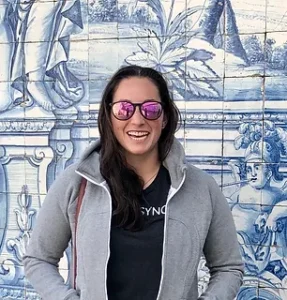 |
Dr. Baker is an emergency medicine physician serving at the Northern Navajo Medical Center. |
Description for Providers: Your sick patient needing transfer is boarding in your ED awaiting weather to clear or is 5th on the list for an air medical team. Your rural hospital may or may not have RT or an ICU and likely no intensivists. Sound familiar? In this skills lab, we will focus on the ongoing care of critically ill patients including managing ventilation settings for both adult and pediatric patients. You will have the opportunity to practice central lines and arterial lines as well.
Description for Nursing Staff: This lab is part of the *Critical Nursing Skills workshop (including the following topics: IO placement, chest tube drain set-up/management, arterial line set-up/management) and will review setup and management of these devices – in less populated areas we have fewer opportunities to practice these skills and can use a periodic refresher.
In anticipation of the lab, please take a moment to review the following asynchronous learning prior to the event:
Please note recordings of the hands-on skills and procedure day labs are not available
Presenter: Patrick Ockerse, MD
Presenter Bio:
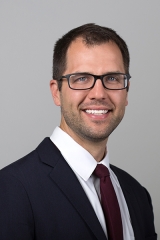 |
Dr. Ockerse is an emergency physician serving the University of Utah and focuses on treatment of emergent conditions at University Hospital. He is a member of the teaching faculty at the University and educates fellows, resident physicians, and medical students. He is the Director of Ultrasound for the Division of Emergency Medicine. |
Descrpition: Thank you for attending Ultrasound Guided Regional Anesthesia! This workshop was designed for both intermediate and advanced ultrasound users. The workshop focused on various applications of ultrasound guided regional anesthesia:
In preparation for your workshop, there were several online resources that you may have found helpful in preparing the foundation for ultrasound guided regional anesthesia applications. Please find below a list of resources for each of the hands-on stations.
If you are looking for any additional resources, please reach out!
Ultrasound Guided Regional Anesthesia
https://coreultrasound.com/nb_basics/
http://highlandultrasound.com/med-guide
http://highlandultrasound.com/what-needle
Upper Extremity Blocks
https://coreultrasound.com/ulnar-nerve-block/
https://coreultrasound.com/median-nerve-block/
https://coreultrasound.com/supraclavicular-brachial-plexus-nerve-block/
https://coreultrasound.com/raptir5ms/
Lower Extremity Blocks
https://coreultrasound.com/sciatic-nerve-block/
https://coreultrasound.com/fascia-iliaca-nerve-block/
https://coreultrasound.com/5ms_peng/
Truncal Blocks
https://coreultrasound.com/serratus/
https://coreultrasound.com/transversus-abdominus-plane-nerve-block/
Please note recordings of the hands-on skills and procedure day labs are not available
Presenter: Ashley Sullivan, MD
Presenter Bio:
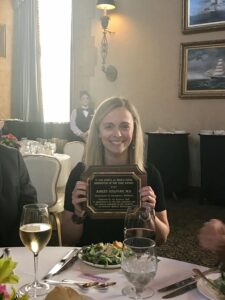 |
Dr. Sullivan is an emergency physician serving at the Gallup Indian Medical Center. |
Description: Thank you for attending Beyond the Basics: Advancing your Point-of-Care Ultrasound Skills! This workshop was designed for both intermediate and advanced ultrasound users. The workshop consisted of several advanced ultrasound applications:
In preparation for your workshop, there were several online resources that you may have found helpful in preparing the foundation for advanced point-of-care ultrasound applications. Please find below a list of resources for each of the hands-on stations.
If you are looking for any additional resources, please reach out!
Advanced Cardiac Ultrasound
https://coreultrasound.com/how-to-obtain-cardiac-windows/
https://coreultrasound.com/basic-cardiac-function/
https://coreultrasound.com/diastology/
Critical Care Ultrasound: Your Guide to the Crashing Patient
https://coreultrasound.com/rush-exam/
https://coreultrasound.com/volume-responsiveness-lvot-vti/
https://coreultrasound.com/pericardial-tamponade/
Deep Dive: Deep Venous Thrombosis
https://coreultrasound.com/dvt/
First Trimester OB/GYN
https://coreultrasound.com/ob-gyn-scanning-technique-5ms/
https://coreultrasound.com/ntrauterine-pregnancy-assessment-5ms/
Please note recordings of the hands-on skills and procedure day labs are not available
Presenter: Hillary Baker, DO
Presenter Bio:
|
Dr. Baker is an emergency medicine physician serving at the Northern Navajo Medical Center. |
Description: Your sick patient needing transfer is boarding in your ED awaiting weather to clear or is 5th on the list for an air medical team. Your rural hospital may or may not have RT or an ICU and likely no intensivists. Sound familiar? In this skills lab, we will focus on the ongoing care of critically ill patients including managing ventilation settings for both adult and pediatric patients. You will have the opportunity to practice central lines and arterial lines as well.
Who should attend this lab? Providers managing critically ill patients in the ED.
In anticipation of the lab, please take a moment to review the following asynchronous learning prior to the event:
Please note recordings of the hands-on skills and procedure day labs are not available
Presenter Bio:
|
Dr. Anderson is an emergency medicine physician serving at the Northern Navajo Medical Center. |
Description for Providers: As emergency medicine providers, having the skills to manage difficult airways is crucial in rural settings with limited resources. In this skills lab, we will review various approaches to the difficult airway including cricothyrotomy, awake and fiberoptic intubations, and pediatric needle cricothyrotomy. We will provide hands-on experience and participants will have the opportunity to talk through their worst airway nightmares.
Description for Nursing Staff: This lab is part of the *Critical Nursing Skills workshop (including the following topics: intubation assistance, cricothyrotomy, jet ventilations, and flexible scope intubation) and will provide a general overview of procedures, nursing roles, and identification of instruments.
In anticipation of the lab, please take a moment to review the following asynchronous learning prior to the event:
Please note recordings of the hands-on skills and procedure day labs are not available
Presenter: Jennifer Cotton, MD, RDMS
Presenter Bio:
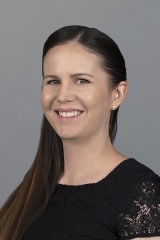 |
Dr. Cotton is an emergency physician at the University of Utah. She is also ultrasound faculty for the department of emergency medicine, the director of point of care ultrasound curriculum for the medical school, and the director of clinical ultrasound educator program for faculty. She graduated from medical school at the University of Kentucky College of Medicine. She completed her emergency medicine residency at the Ohio State University. She also completed a fellowship in emergency ultrasound at the University of Utah and the ACEP Teaching Fellowship after that. She has been passionate at ultrasound education since she was a medical student and involved on a national/international level for more than 10 years. She oversees the ultrasound training for more than 500 medical students each year and is involved training residents, fellows, and faculty across the medical center and many disciplines. In addition, she is the ultrasound curriculum director for the Rural, Underserved, and Tribal Point of Care Ultrasound Program where she is involved in ultrasound training for clinicians caring for patients in resource limited settings. |
Description: Thank you for attending Introduction to Point-of-Care Ultrasound: Core Applications and Beyond! This workshop was designed for both beginner and intermediate ultrasound users, as well as for all provider types. The workshop had 8 available stations with various core ultrasound applications.
eFAST
Focused Cardiac Ultrasound
Focused Thoracic Ultrasound
Focused Biliary Ultrasound
Introductory Soft Tissue/MSK
Ocular Ultrasound
Ultrasound Guided Nursing Skills
Introduction to Ultrasound Guided Basic Procedures
In preparation for your workshop, there were several online resources that you may have found helpful in preparing the foundation for basic point-of-care ultrasound applications. Please find below a list of resources for each of the hands-on stations.
If you are looking for any additional resources, please reach out!
eFAST
https://coreultrasound.com/knobology/
https://coreultrasound.com/efast/
https://coreultrasound.com/pneumothorax/
Focused Cardiac Ultrasound
https://coreultrasound.com/how-to-obtain-cardiac-windows/
https://coreultrasound.com/basic-cardiac-function/
Focused Thoracic Ultrasound
https://coreultrasound.com/how-to-perform-a-pulmonary-exam/
https://coreultrasound.com/b-lines/
https://coreultrasound.com/pleural-effusions-part-1/
https://coreultrasound.com/pneumothorax/
Focused Biliary Ultrasound
https://coreem.net/core/biliary-ultrasound/
Introductory Soft Tissue/MSK
https://coreultrasound.com/cellulitis-vs-abscess/
https://coreultrasound.com/nsti/
https://coreultrasound.com/msk-basics/
Ocular Ultrasound
https://coreultrasound.com/onsd/
https://coreultrasound.com/vd-rd/
Ultrasound Guided Nursing Skills
https://coreultrasound.com/bladder-volume-measurement/
https://coreultrasound.com/ultrasound-guided-peripheral-iv-access/
https://coreultrasound.com/confirmation-of-central-venous-catheter-placement/
Introduction to Ultrasound Guided Basic Procedures
http://www.emcurious.com/blog-1/2014/12/7/ultrasound-leadership-academy-introduction-to-procedural-ultrasound/
|
|
Great Lakes Inter-Tribal Epidemiology CenterSupriya (she/her) received her MPH in Global Health Epidemiology from the University of Michigan. She serves Tribal communities and urban Indian centers in the Great Lakes regions by providing technical assistance with program evaluation and data analysis. |
|
|
Kauffman & Associates
|
|
|
CDC Foundation
|
|
|
Rocky Mountain Tribal Leaders Council
|
|
|
Lummi
|
|
|
Oglala Sioux
|
|
|
Diné (Navajo)
|
|
|
Tigua Indian from Ysleta del Sur Pueblo
|
|
|
Stockbridge-Munsee Band of Mohican Indians
|
|
|
Alaska Native Tribal Health Consortium
|
|
|
Great Lakes Inter-Tribal Epidemiology Center
|
|
|
Southern Plains Tribal Health Board
|
|
|
Seminole/Muscogee
|
|
|
Crow Nation
|
|
|
Northwest Portland Area Indian Health Board
|
|
|
Diné (Navajo)
|
|
|
Rosebud Sioux
|
|
|
Oglala Lakota
|
|
|
Cochita Pueblo
|
|
|
Inter-Tribal Council of Arizona
|
|
|
Great Lakes Inter-Tribal Epidemiology Center
|