NW Elders ECHO | April 14, 2026
Date of Presentation: April 14, 2026
Type: Past Presentation
Audience: Clinical Community
Program: Elders, Knowledge Holders and Culture Keepers
Keywords: #AI/AN #aian #Ancestors #ceremony #Elder Health #health and wellness #indigenous ways #medicine wheel #Movement #Native Games #Traditional Games #traditions #wellness
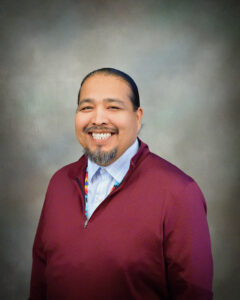
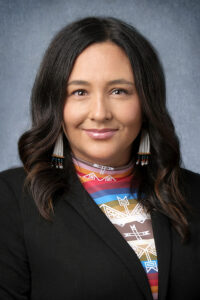
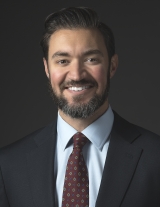
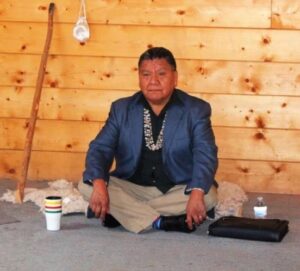
The Northwest Elders and Knowledge Keepers ECHO session took place on April 14, 2026. In this presentation, Thomas Lee Ghost Dog Jr. (Burns Paiute/Oglala Lakota) and Shane Lopez-Johnston (Talawa Dee-ni’ Nation) presented on “Traditional Native Games to Promote Movement.”
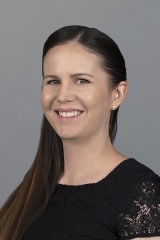
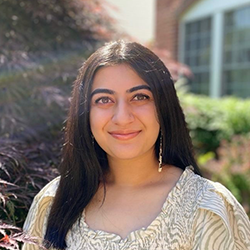
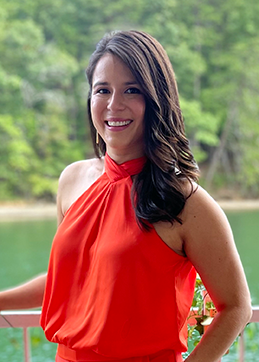
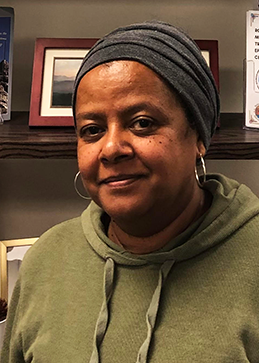
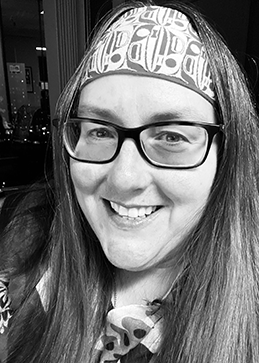
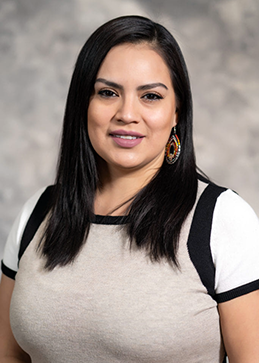
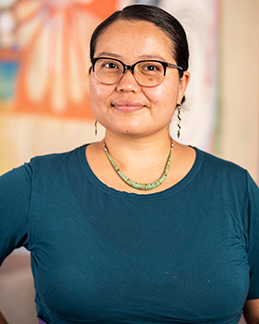
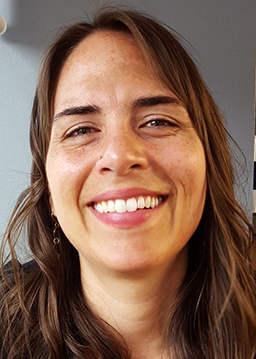
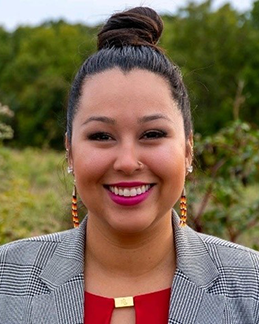
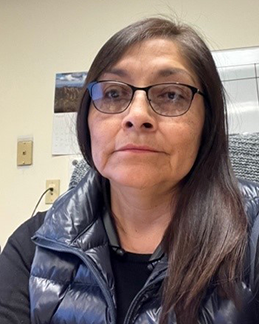
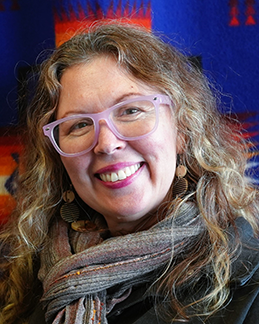
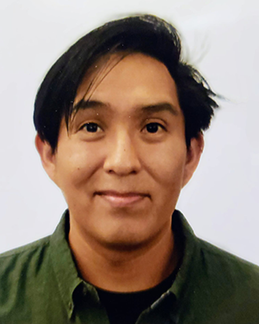
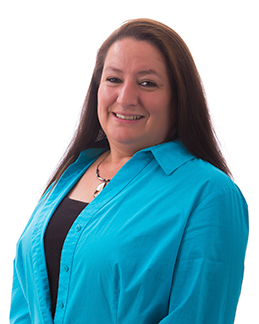
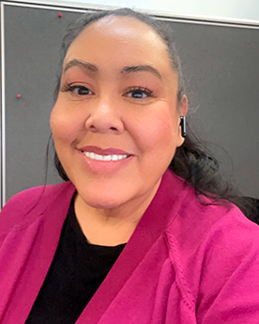
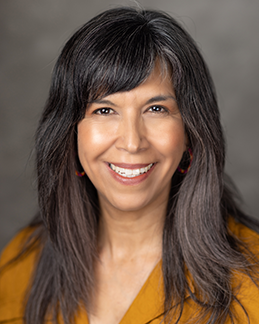
The faculty panel and staff members for this session of the Northwest Elders, Knowledge Holders, and Culture Keepers ECHO includes:
- Katie Hunsberger – Behavioral Health Aide Program Manager for NPAIHB
- Dolores Jimerson – Behavioral Health Education Director for NPAIHB
- Maleah Nore – NW Elders ECHO Faculty
- Jessica Rienstra – ECHO Case Manager for NPAIHB
- David Stephens – ECHO Clinic Director for NPAIHB
- Birdie Wermy – Behavioral Health Program Manager for NPAIHB
- Tanya Firemoon – Northwest Portland Area Indian Health Board Contractor
Recording:
Presented by:
Thomas Lee Ghost Dog Jr. and Shane Lopez-Johnston

Biography
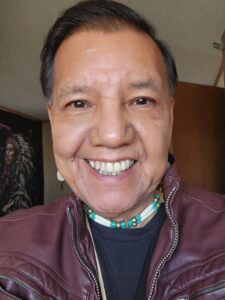
Thomas Lee Ghost Dog Jr. (Burns Paiute/Oglala Lakota) is the Project Manager for We R Native at the NPAIHB, where he’s led adolescent health projects and managed national outreach for over twelve years. He coordinates youth workshops at the annual THRIVE Suicide Prevention Conference and has mentored more than 150 We R Native Youth Ambassadors since 2016. Tommy blends NPAIHB’s resources with his lived experiences growing up on the Burns Paiute Reservation to empower Native youth.

Biography
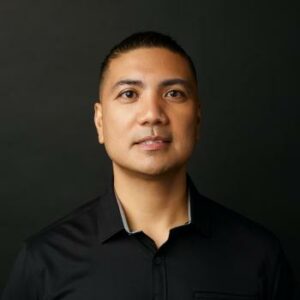
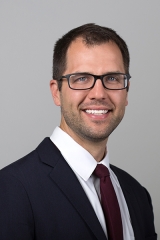
Shane Lopez-Johnston is an enrolled Tribal member with the Tolowa Dee-ni’ Nation. Shane has a Bachelor of Science from Portland State University, is a father to twins Agnes and Thorpe. He has been working in Public Health and Prevention for the last 21 years. As the THRIVE 988 Project Director at the Northwest Portland Area Indian Health Board Shane and his team are working to inform and educate NW Tribes about the 988 Suicide & Crisis hotline and improve intertribal and interagency communications. He believes that “culture is prevention” and that Tribal Based Practices play a key role in suicide prevention.
Funding for this initiative was made possible (in part) by grant no. 1H79TI088037 from SAMHSA. The views expressed in written conference materials or publications and by speakers and moderators do not necessarily reflect the official policies of the Department of Health and Human Services; nor does mention of trade names, commercial practices, or organizations imply endorsement by the U.S. Government.
Resources Provided:
Date added: April 14, 2026